Storm Threat: Hurricane Erin’s Colossal Swells
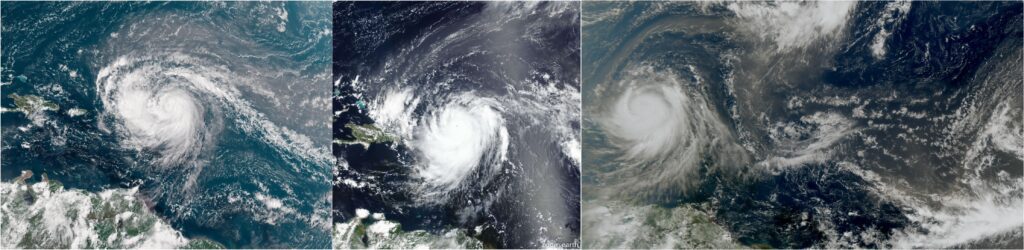
Erin began as a tropical disturbance near Cabo Verde and swiftly strengthened, becoming the Atlantic’s first hurricane of the 2025 season.AP NewsWeather UndergroundTheweather.com | Meteored. In an extraordinary display of power, it became a Category 5 hurricane after a mere day of intensification—a rare feat for mid-August storms.
The Caribbean’s Test: Floods and Outages
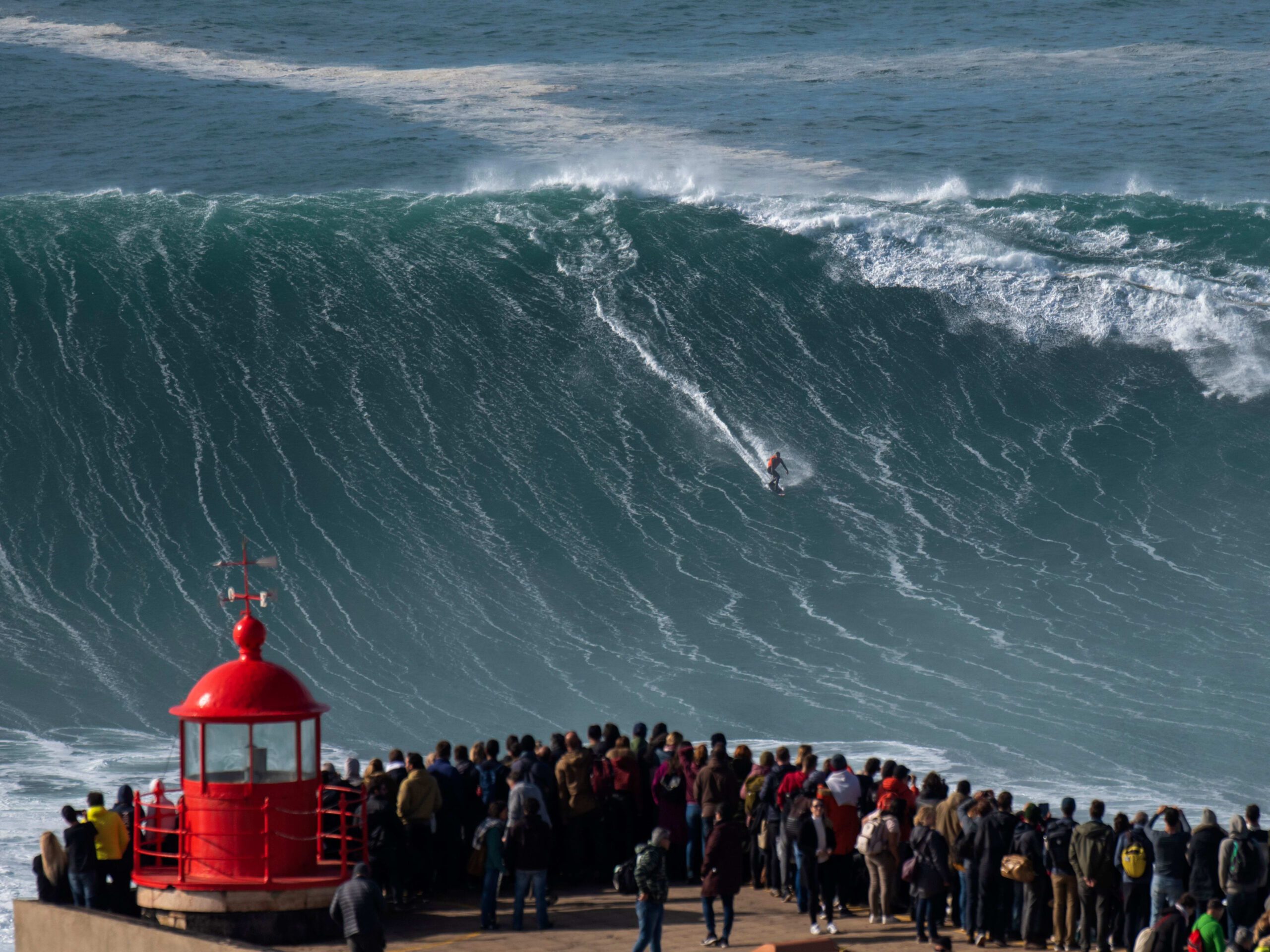
Before Erin earned its hurricane status, its precursor unleashed torrential rains across Cabo Verde’s São Vicente, causing severe flooding. Roads washed out, homes were damaged, and at least nine lives were lost, with many left missing and 1,500 displaced.Wikipedia. In response, a state of emergency was declared and the World Bank committed $10 million toward recovery.
A Rollercoaster of Strength: Peak to Plateau
Erin’s brief but historic Category 5 phase was followed by a temporary weakening to Category 3 during an eyewall replacement cycle. Yet, momentum returned: by August 17–18, the storm rebounded to Category 4 strength.
Rip Currents, High Surf — Coastal Vigilance Needed
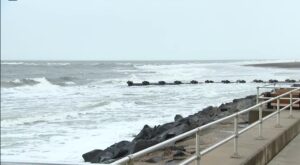
Though Erin is not projected to strike land, its expansive wind and wave footprint promises devastating coastal effects. Hurricane-force winds extend up to 60 miles from its eye, with tropical-storm-force winds stretching nearly 230 miles outward.AP NewsThe Washington Post. Particularly along the Eastern Seaboard—from Florida to New England—life-threatening surf and rip currents are expected to ramp up starting this week.
Evacuations and Emergency Alerts
Authorities in North Carolina are responding proactively. Dare County has declared a state of emergency, ordering evacuations in Zone A on Hatteras Island and issuing alerts for Ocracoke Island.WikipediaAP News. Meanwhile, Puerto Rico is contending with widespread power outages, affecting over 159,000 customers, alongside flight cancellations and logistical disruptions across the Caribbean
A Wake-Up Call: Climate and Hurricane Preparedness
Erin’s dramatic behavior—from record-breaking rapid intensification to persistent destructive potential—echoes a broader climate trend: warming oceans and increased atmospheric moisture are fueling stronger, faster-forming storms.AP News+1Vox. The storm is also emerging as an early test of emergency preparedness, with concerns about resource gaps following recent budget cuts to NOAA and emergency programs.Vox.
** Summary Table: Erin’s Key Moments**
| Phase | What Happened |
|---|---|
| Genesis | Formed near Cabo Verde; became Atlantic’s first hurricane of the year |
| Rapid Intensification | Jumped to Category 5 within ~24 hours |
| Weakened, then Regained | Briefly dropped to Category 3; returned to Category 4 by mid-August |
| Impact Zones | Flooded Cabo Verde; power outages and evacuations across Caribbean |
| U.S. Coastal Threat | Triggered emergency orders in North Carolina; rip current alerts nationwide |
| Climate Implication | Highlights trend of faster, stronger storms driven by warming climate systems |
Hurricane Erin isn’t just weather—it’s a stark reminder of nature’s escalating power, the fragility of coastal communities, and the urgency of climate-forward resilience. Let me know if you’d like to explore specific aspects further—whether it’s the meteorological mechanics, climate connection, or the human stories behind this storm.